


Triple Pane vs Double Pane Windows: Is It Worth the Upgrade in Canada?
- Ultimate Windows, Doors & More

- Jun 17
- 6 min read
Updated: Jun 18
The question of whether triple pane windows are worth the cost is one of the most common ones Eastern Canadian homeowners face when replacing windows. The short answer is: it depends on where you live and what you are optimising for. The longer answer involves U-factors, climate zones, payback periods, and a few benefits that most buyers don't consider until they are dealing with cold glass and condensation in January.

Quick Answers
Are triple pane windows worth it in Canada?
For Climate Zones 5 through 7 (Ottawa, Montreal, Quebec City, most of the Maritimes), triple pane windows deliver meaningful energy savings and comfort improvements that typically justify the 15 to 25 percent cost premium over double pane.
How much more do triple pane windows cost than double pane?
Triple pane units typically cost 15 to 25 percent more per window than equivalent double pane.
What U-factor should I look for in triple pane windows for Zone 6?
For Climate Zone 6, look for a U-factor of 1.0 W/m2K or lower. Premium triple pane windows reach 0.8 or below. ENERGY STAR Most Efficient certification is the clearest shortcut for confirming a product meets your zone's requirements.
Does triple pane reduce window condensation?
Yes, significantly. Triple pane windows maintain a warmer interior glass surface in cold weather, eliminating the winter condensation that is common with standard double pane units.
What Actually Separates Them
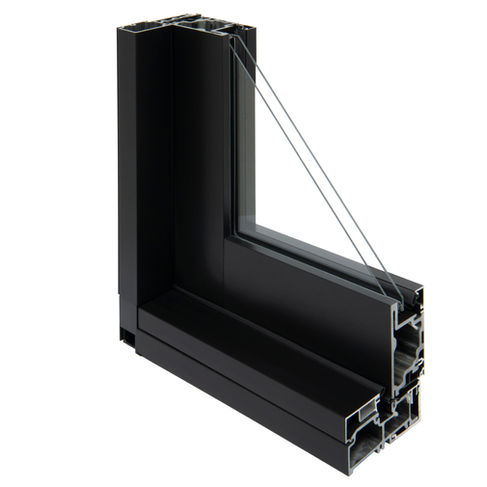
A double pane window (also called double glazing or an insulated glass unit) consists of two panes of glass separated by a sealed air space, typically 12 to 16mm wide. Most modern double pane units are filled with argon gas and coated with Low-E to improve thermal performance.
A triple pane window adds a third pane of glass and a second sealed air space. This means two gas-filled cavities instead of one, and typically two Low-E coatings applied to different surfaces depending on orientation and climate. The additional layer adds weight and slightly reduces visible light transmission, though not enough to be noticeable in most installations.
The gas fill is important to consider. Argon is the standard choice for both double and triple pane units. Krypton, a denser inert gas, is used in some high-performance triple pane units where the narrower cavity between panes benefits from krypton's superior insulating properties. Marvin also offers a Krypton-Argon combination fill. Krypton carries a modest cost premium but is worth specifying for maximum performance in Climate Zones 6 and 7.
The Low-E coating type is equally important. Marvin offers four coating options suited to different climates: Low-E1 is a single metallic layer that maximises solar heat gain into the room, making it well suited to northern, heating-priority climates. Low-E2 is a double layer that provides balanced year-round performance across mixed heating and cooling climates. Low-E3 is a triple layer that provides the most protection against solar heat gain, and is best for climates where sun exposure and cooling are the primary concerns. Low-ER5 is a room-side coating designed to reflect radiant heat back into the interior; Marvin specifically notes it is not recommended for some northern zones, as it can increase the risk of condensation on the interior glass surface. For most Eastern Canadian homes in Zones 5 through 7, a Low-E1 or Low-E2 specification is typically the right starting point. Coatings are best confirmed by your local window specialist, based on orientation and heating system.


The Numbers: U-Factor and What It Means for Your Heating Bills
The U-factor measures how much heat passes through the window assembly. Lower is better. A standard quality double pane window with argon fill and Low-E coating typically achieves a U-factor between 1.4 and 1.8 W/m2K. A well-specified triple pane window reaches 0.8 to 1.1 W/m2K. That gap represents a meaningful reduction in heat loss through your windows.
To put a number to it: a window with a U-factor of 1.0 loses approximately 40 percent less heat than a window with a U-factor of 1.6, all else being equal. Across a full house, over a full heating season in Zone 6, that adds up to a real reduction in your heating bill.
The Solar Heat Gain Coefficient (SHGC) tells a more nuanced story. Triple pane glazing has a lower SHGC than double pane, meaning it blocks more solar heat. On south-facing windows in a cold climate, this can work against you: passive solar heat gain is a free heating benefit in winter. The right specification balances U-factor and SHGC by orientation. South-facing windows may be better served by a well-specified double pane unit with higher SHGC; north-facing windows benefit most from triple pane's heat retention.
Climate Zones: Where Triple Pane Makes the Most Sense
Natural Resources Canada divides the country into climate zones for energy performance standards. Here is how the triple pane decision plays out across Eastern Canada:
Zone 4 (Toronto, Mississauga, Windsor): Double pane is sufficient for most projects.
Zone 5 (Ottawa, Kingston, Southern Quebec): Triple pane recommended.
Zone 6 (Montreal, Quebec City, most of NB): Triple pane strongly recommended.
Zone 7 (PEI, much of NS, NL, Northern ON/QC): Triple pane strongly recommended.
Condensation: The Comfort Argument Beyond Energy Savings
This is the benefit most buyers do not consider until they have lived with it. Winter condensation on interior glass surfaces happens when the glass temperature drops below the dew point of the interior air. It signals that glazing is under-performing, and it causes real problems: moisture on sills, mould risk around frames, and the persistent sense of cold radiating from the windows.
Triple pane windows maintain a warmer interior glass surface because the second gas-filled cavity reduces heat transfer from the room to the cold exterior. In practical terms: no frost on the glass in January, no moisture pooling on sills, and no cold radiating from windows when you sit nearby.
For homes where someone works from home, or where large windows overlook a primary living space, this comfort improvement is as important as the energy savings for many buyers.
























Sound Reduction: A Useful Secondary Benefit
Triple pane glazing reduces exterior sound transmission more effectively than double pane. The improvement depends on glass thickness and cavity spacing, but for homes near roads, rail corridors, or urban noise sources, it's worth noting. If acoustic performance is the primary driver, a dedicated specification with laminated glass may outperform a standard triple pane unit. But for most homes, triple pane still delivers a noticeable improvement over double pane for everyday ambient noise.
The Cost and Payback Calculation
For a typical 3-bedroom Eastern Canadian home with 12 to 15 windows, at current energy costs with heating systems running on natural gas or oil, the payback period in Zone 5 to 6 is typically 8 to 15 years. In Zone 7, it shortens to 6 to 10 years. (Cost and payback figures are estimates based on current Eastern Canadian installation pricing and NRCan energy cost benchmarks. Actual results vary by home size, energy source, and current utility rates.)
This is a reasonable horizon for a window replacement that will last 25 to 40 years. The comfort improvements are enjoyed from day one, regardless of the payback calculation. And if you are in a province with active rebate programs, triple pane products meeting ENERGY STAR Most Efficient certification often qualify for the highest rebate tiers.

When Double Pane Is the Right Answer
Triple pane is not the right answer for every project:
Budget-constrained renovation: Upgrading from 30-year-old single pane windows to double pane is already a dramatic improvement. The marginal gain from triple pane may not justify the additional cost in this scenario.
South-facing windows in Zone 4: The lower SHGC of triple pane works against you on south-facing elevations in milder zones where passive solar heating in winter is a meaningful benefit.
Recent double pane replacement: If your current double pane windows are less than 15 years old and performing well, the economics of upgrading may not be favourable yet.
Window quality and frame material: A poorly designed or installed window, regardless of pane count, may not deliver the energy savings it claims. Windows made with materials that shrink and contract significantly with temperature changes (vinyl being the most common example) are prone to seal failure over time. Once a sealed unit fails, the gas fill escapes, and the insulating value drops to near single pane. For cold-climate performance over the long term, frame material and build quality matter as much as the glazing specification.
What to Specify for Maximum Performance
For Zone 5 to 7 applications, a high-performance triple pane specification should include:
U-factor of 1.0 W/m2K or lower (aim for 0.8 or below in Zone 7)
Krypton gas fill for maximum insulation, particularly in narrower frame profiles
Low-E coating on surfaces 2 and 4, specified for your climate zone and orientation
Warm-edge spacers (thermally broken spacer bars) to minimise perimeter condensation
ENERGY STAR Most Efficient certification as the minimum qualifying standard
Sources
Natural Resources Canada - Windows, Doors and Skylights:
Natural Resources Canada - ENERGY STAR Canada:
Efficient Windows Collaborative:
Lawrence Berkeley National Laboratory - Window and Daylighting Group:
National Research Council of Canada - Building Science:
Note: Cost and payback estimates are based on current Eastern Canadian installation pricing and NRCan energy cost benchmarks. Verify current ENERGY STAR zone thresholds against the NRCan spec sheet before publishing, as requirements are updated periodically.


Comments